
Share this 
July 9, 2026
When someone says, “we’re breaking ground on a new building,” most people hear “risky business ahead.” And sure, in most real estate circles, new construction conjures images of cost overruns, permitting nightmares, and sleepless nights spent wondering if moving forward with the project was the right decision.
But in the world of 100% owner-occupied medical real estate, particularly for groups with multiple partners, the story is surprisingly different. In fact, if you’re a physician partner embarking on a shiny new development for your group’s clinic, you may be less exposed to risk than you think.
Why? Because You Have Surety of Your Lease!
When a medical group builds a new facility for itself, there’s usually one thing locked in tighter than a vault at Fort Knox – a long-term lease. That means the “tenant” (you) is already guaranteed. There’s no waiting around to see if someone will show up and rent the space. The occupant is in place, the rent is likely pre-determined, and everyone knows exactly who’s paying the bills and whether the practice can afford it.
So, while it feels risky, it’s actually one of the few times in commercial real estate where the lease, occupancy, and business model are already nailed down before the first brick is laid.
Now, Here’s Where the Real Risk Comes In…
Fast forward a few years. The building is up, the walls are painted a soothing shade of taupe, and new partners have joined the practice partnership. These new docs are invited to “buy into the real estate” – here’s where things get murky.
Unlike the physicians who were involved from the inception of the build, the new partners are stepping into a situation with less certainty. The group might outgrow the space, decide to merge with another practice, or switch locations entirely. Suddenly, that rock-solid “owner-occupied” status starts to look less stable.
Will the group renew the lease in 10 years? Will the building need expensive renovations? Will the remaining partners be left holding the bag on a vacant property with an MRI-shaped hole in the wall?
These are real risks – ones that the original partners had to worry about to a lesser extent when construction began.
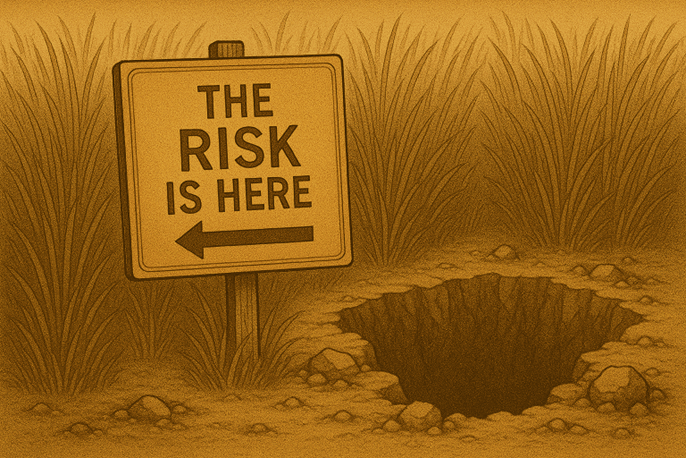
Moral of the Story: The Risk Isn’t in the Dirt – It’s in the Handoff
If you're a physician thinking about building your group’s next medical office building, don’t let the construction sticker shock blind you to the relative security you actually have. If you’re an existing partner looking at bringing in new partners, don’t assume the risk you took at the building’s inception is more than the incoming partners. And if you’re a new partner looking to buy into the real estate – ask the tough questions:
- How long is left on the lease?
- Are there renewal plans?
- What’s the succession strategy for the real estate if the group moves?
Because in this world of owner-occupied real estate, it turns out that laying the foundation is the easy part – it’s what happens after the ribbon-cutting that could cause the real heartburn.
Thinking about building – or buying into – your practice's real estate? Email solutions@cmacpartners.com or schedule a call to discuss your practice's real estate strategy and ensure today's decisions continue creating value for years to come.
by Grant Blackhurst - Principal
Share this